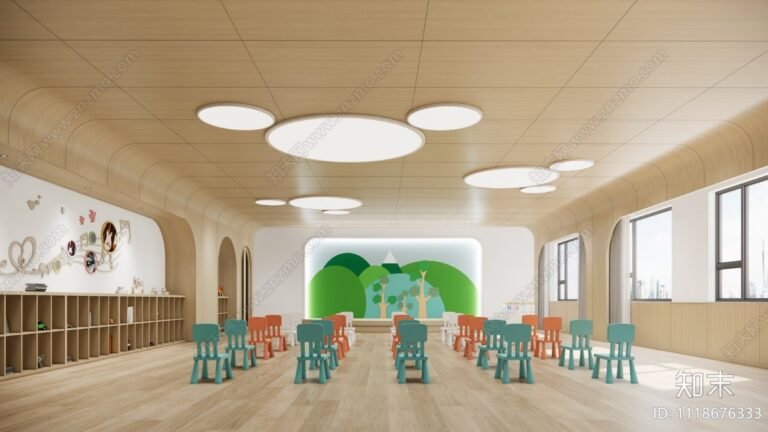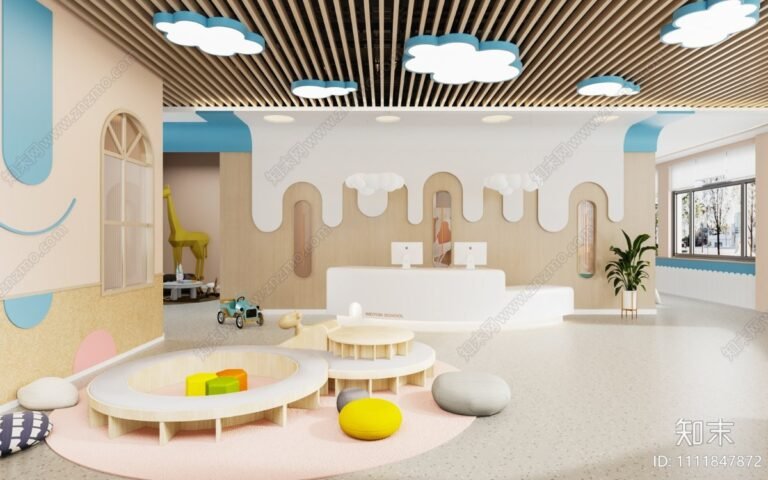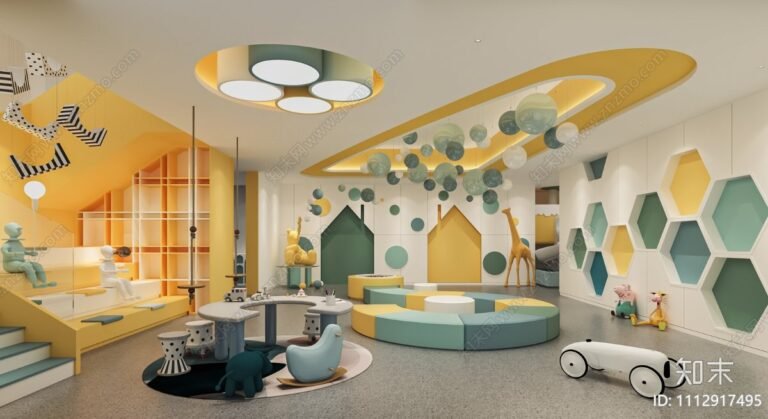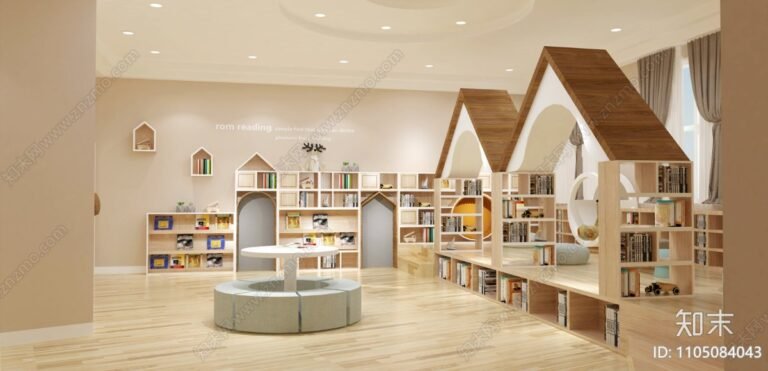


Kindergarten Interior Design. Discover inspiring kindergarten interior design ideas for creating engaging and safe learning environments. Get professional design resources and tips for your next project.
Transforming Learning Spaces with Kindergarten Interior Design
Creating an inspiring and functional learning environment is paramount for early childhood development. At Posterfree.net, we understand the critical role that well-thought-out kindergarten interior design plays in fostering creativity, encouraging exploration, and ensuring the safety of young learners. This comprehensive guide delves into the nuances of designing engaging spaces, offering insights and showcasing why Posterfree.net is your go-to resource for premium graphic assets.
The Importance of Thoughtful Kindergarten Design
A kindergarten is more than just a building; it’s a second home where children spend a significant portion of their formative years. The design of these spaces directly impacts a child’s mood, behavior, and learning capabilities. A vibrant, organized, and safe environment can:
- Stimulate Creativity: Bright colors, imaginative play areas, and accessible art supplies encourage artistic expression.
- Promote Social Interaction: Well-arranged furniture and open spaces facilitate group activities and peer communication.
- Enhance Learning: Designated learning zones for reading, science, and math help children focus and engage with specific subjects.
- Ensure Safety: Child-friendly materials, rounded corners, and clear pathways minimize risks and create a secure environment.
- Foster Independence: Low shelves, accessible storage, and child-sized furniture empower children to take ownership of their space and belongings.
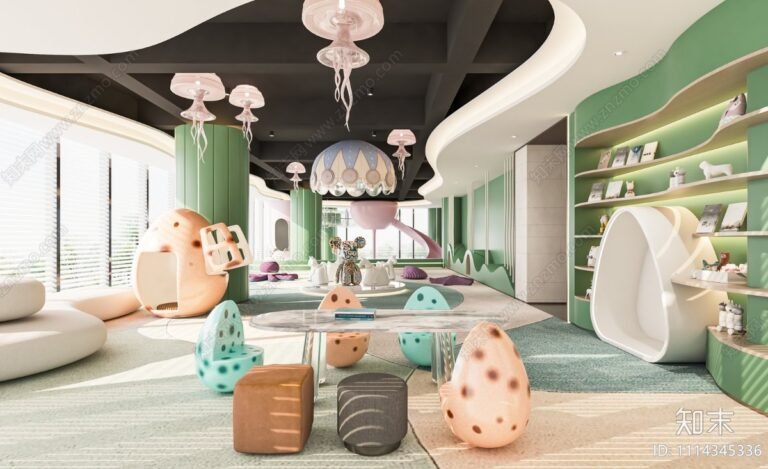
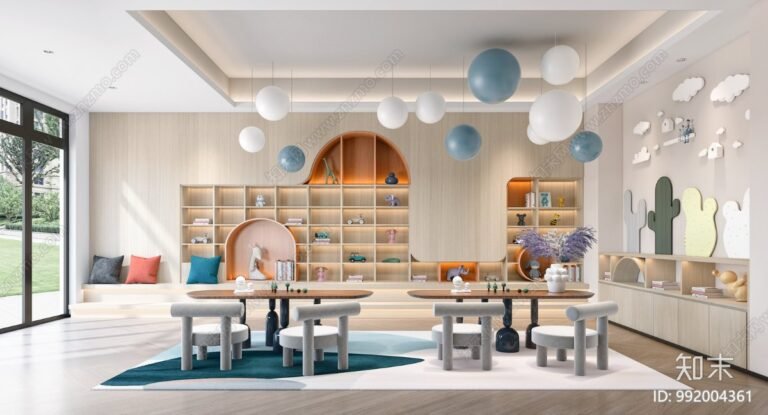
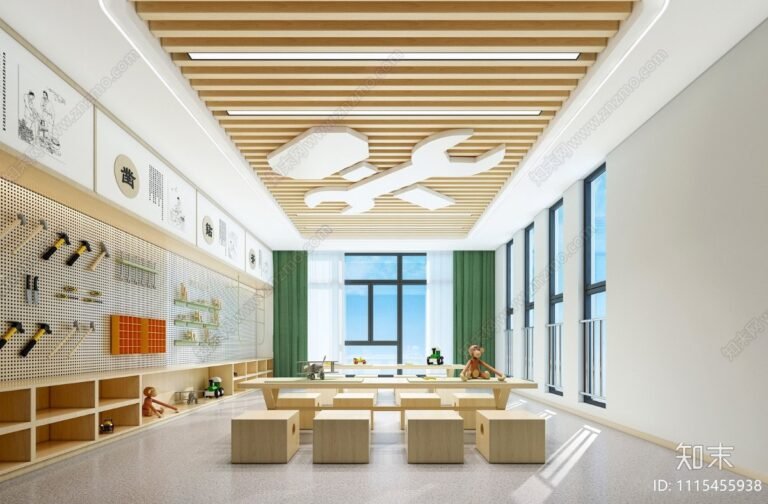
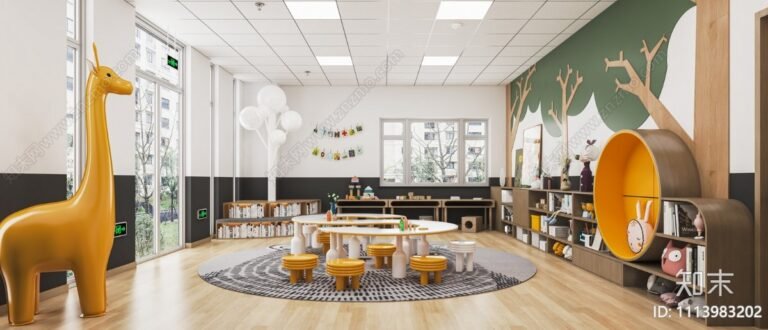
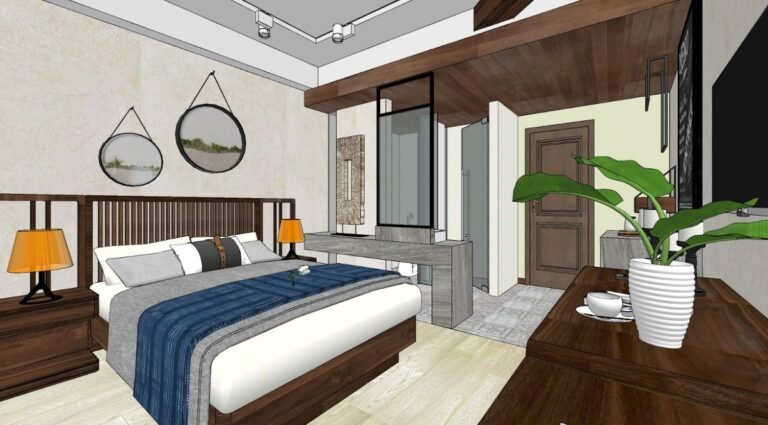
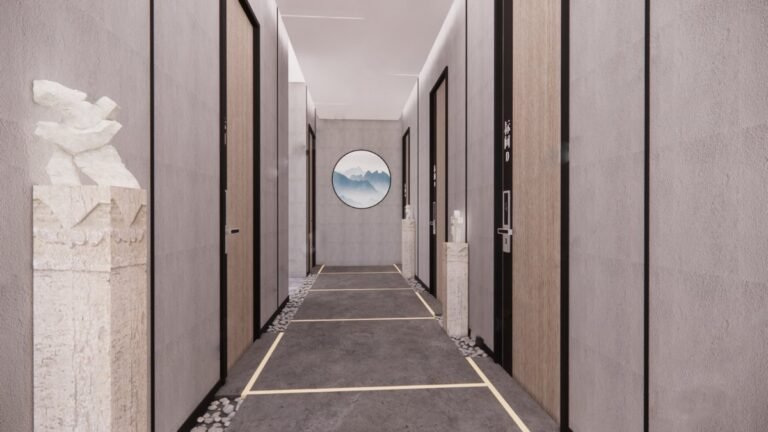
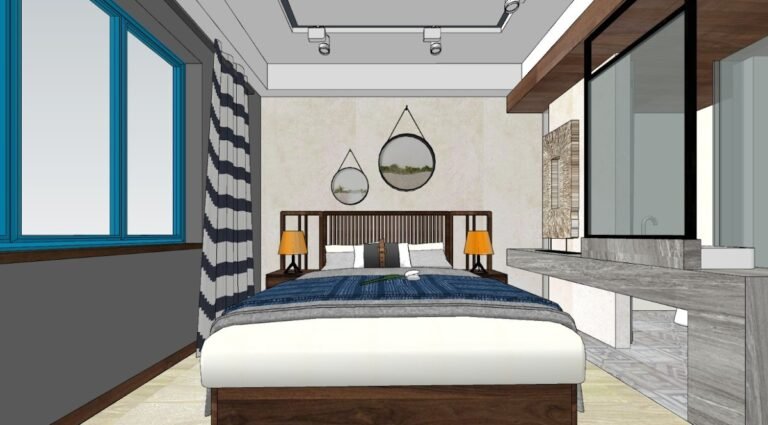
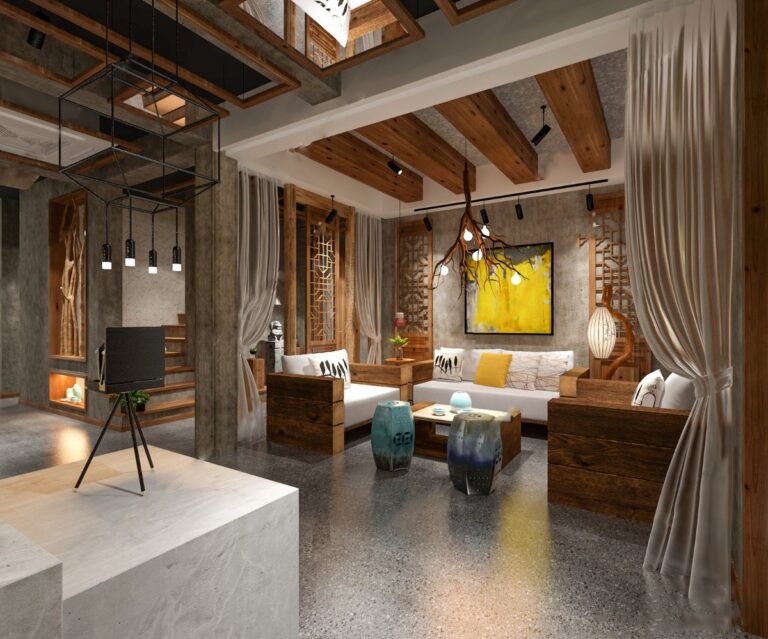
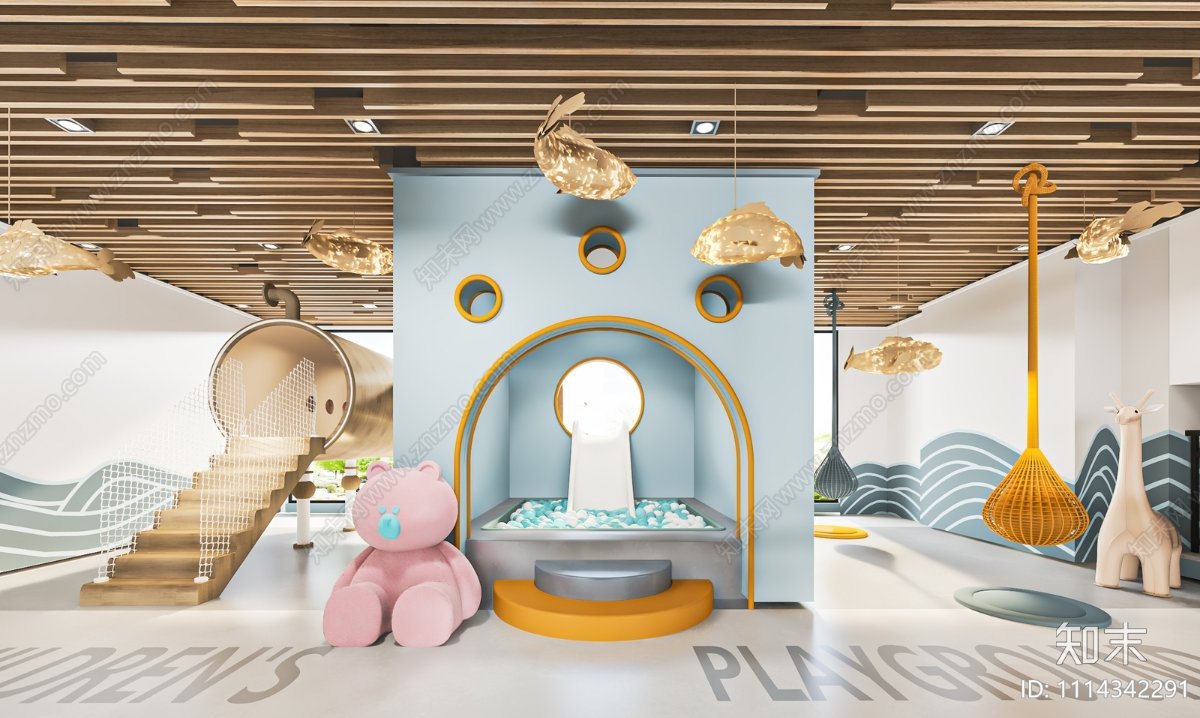
Our featured graphic resource, ‘truong mau giao (75)’, perfectly encapsulates these principles, offering a visual blueprint for an ideal learning space. . This image provides a clear example of how to integrate various elements to create a harmonious and stimulating environment.
Key Elements of Effective Kindergarten Interior Design
When planning a kindergarten’s interior, several key elements must be considered to achieve a balanced and effective design:
1. Color Psychology and Aesthetics
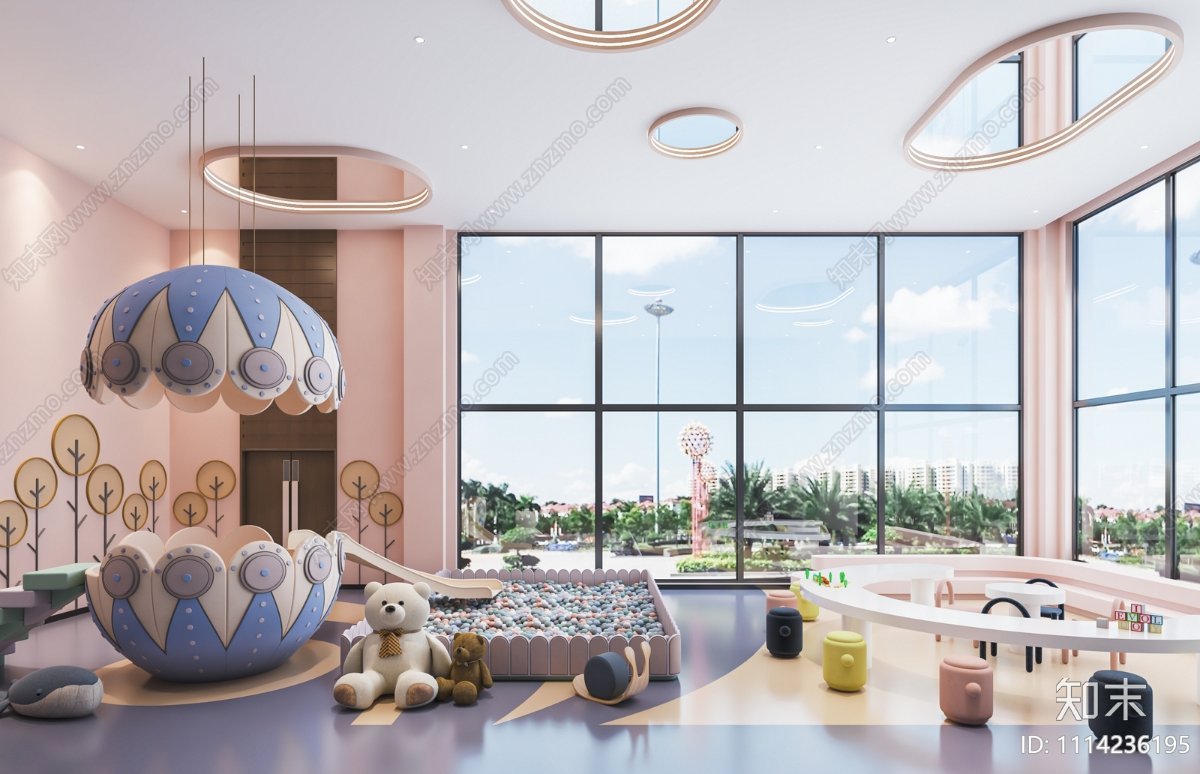
Colors profoundly impact mood and behavior. While bright colors can be stimulating, a balanced palette is essential to avoid overstimulation. Soft pastels combined with pops of vibrant hues can create an inviting and calming atmosphere. The ‘truong mau giao (75)’ image demonstrates a thoughtful use of muted tones with strategic splashes of color to define areas.
2. Furniture and Layout
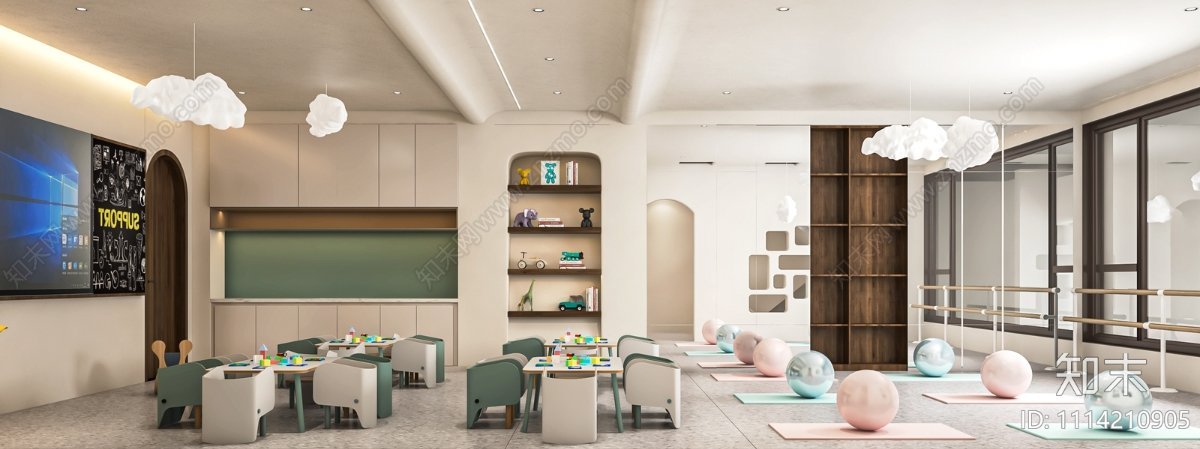
Child-sized furniture is non-negotiable for comfort and safety. Flexible furniture arrangements allow for easy reconfiguration to support different activities, from individual work to group play. The layout should ensure clear pathways and easy access to all areas, promoting independence and reducing congestion. The resource showcases practical table and chair arrangements that facilitate both learning and social interaction.
3. Storage Solutions
Effective storage is crucial for maintaining an organized and clutter-free environment. Open shelving at child height encourages children to put away their toys and materials, fostering responsibility. Closed cabinets can store less frequently used items, maintaining a tidy appearance. The design in our asset highlights integrated storage solutions that are both functional and aesthetically pleasing.
4. Learning Zones and Activity Areas
Dividing the space into distinct learning zones helps children understand where different activities take place. Common zones include:
- Reading Nook: Cozy and quiet, with comfortable seating and a variety of books.
- Art Station: Equipped with easels, art supplies, and a washable surface.
- Block Play Area: Designated space for construction and imaginative building.
- Dramatic Play Area: Costumes, props, and themed setups for role-playing.
- Science and Discovery Corner: Magnifying glasses, natural objects, and simple experiments.
The ‘truong mau giao (75)’ resource illustrates how to delineate these zones effectively, even within an open-plan setting, ensuring each area serves a specific purpose without feeling isolated.
5. Natural Light and Lighting
Abundant natural light is beneficial for children’s well-being and learning. Large windows and strategically placed artificial lighting can create a bright and cheerful atmosphere. The image demonstrates how recessed lighting and natural light sources can be combined to illuminate the space evenly, reducing eye strain.
Leveraging Posterfree.net for Your Design Needs
Posterfree.net is renowned for providing high-quality, professional graphic resources that cater to a wide range of design projects. Our collection includes a vast array of templates, vectors, and images perfect for architects, interior designers, educators, and anyone involved in creating educational spaces. The ‘truong mau giao (75)’ resource is just one example of the premium content you can find on our platform.
Why Choose Posterfree.net?
- Extensive Library: Access to thousands of unique and versatile graphic assets.
- High Resolution: All resources are available in high resolution, ensuring crisp and clear visuals for your projects.
- User-Friendly: Our platform is designed for easy navigation, allowing you to find exactly what you need quickly.
- SEO Optimized: Our resources are categorized and tagged to help you find relevant content efficiently, enhancing your project’s visibility.
- Trusted Source: Posterfree.net is a reputable name in the graphic design community, known for quality and reliability.
Practical Application of ‘truong mau giao (75)’
This specific graphic asset, ‘truong mau giao (75)’, is incredibly versatile. It can be used for:
- Inspiration: A starting point for new kindergarten design projects.
- Presentations: Visual aids for client pitches or educational seminars.
- Mood Boards: To convey design concepts and aesthetics.
- Educational Material: For illustrating best practices in early childhood education facility design.
The image’s clear layout and detailed depiction of various zones make it an invaluable tool for anyone looking to visualize or implement effective kindergarten interior design.
Conclusion
Designing a kindergarten requires a deep understanding of child psychology, safety standards, and educational principles. By focusing on elements like color, furniture, storage, and learning zones, designers can create environments that are not only beautiful but also highly functional and conducive to learning. Posterfree.net is committed to supporting these endeavors by providing a rich library of premium graphic resources, including the exemplary ‘truong mau giao (75)’. Explore our collection today and elevate your kindergarten interior design projects to new heights.
Related Demo Images




Frequently Asked Questions
What are the key considerations for kindergarten interior design?
Key considerations include safety, stimulating colors, child-sized furniture, effective storage, designated learning zones, and ample natural lighting to foster a conducive learning environment.
How can I make a kindergarten classroom more engaging?
To make a classroom more engaging, incorporate vibrant but balanced color schemes, create distinct activity zones (e.g., reading nook, art station), provide accessible learning materials, and ensure flexible furniture arrangements for various activities.
Why is Posterfree.net a good resource for design assets?
Posterfree.net offers a vast library of high-resolution, professional graphic resources, including detailed interior design concepts, making it a trusted source for designers, educators, and architects seeking quality visual assets.