

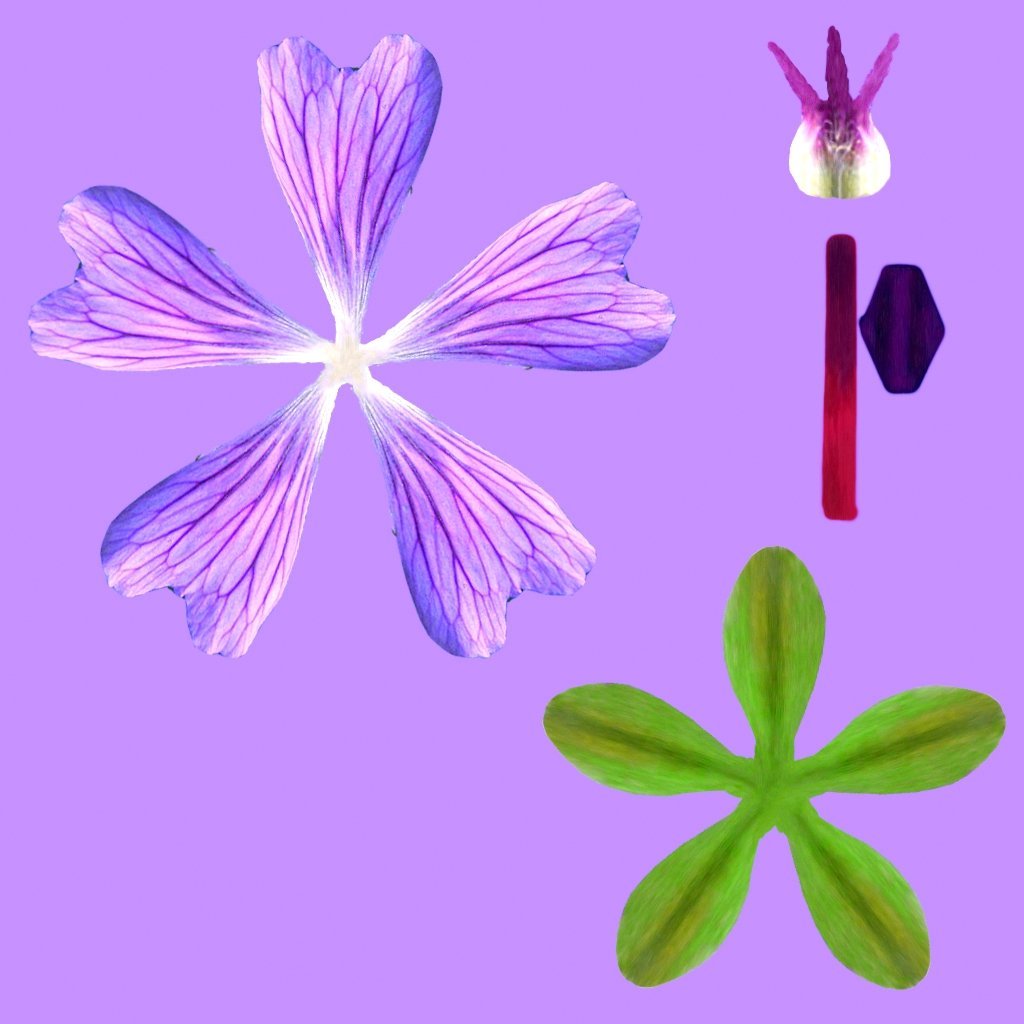
Flower Anatomy Diagram Vector. Explore detailed flower anatomy with our premium vector diagram. Perfect for educational and botanical projects, this flower anatomy diagram vector is available at Posterfree.net.
Unveiling Botanical Beauty: The Flower Anatomy Diagram Vector
Delve into the intricate world of botany with Posterfree.net’s exceptional flower anatomy diagram vector. This meticulously crafted graphic resource, ‘AM86_025_trans_01’, is an indispensable tool for educators, students, designers, and anyone with a passion for the natural sciences. Understanding the components of a flower is fundamental to appreciating plant reproduction and biodiversity, and our vector diagram provides a clear, scalable, and visually appealing way to do just that.
Why a Vector Flower Anatomy Diagram is Essential
In the realm of digital graphics, vectors offer unparalleled advantages, especially for detailed scientific illustrations. Unlike raster images, vector graphics are resolution-independent, meaning they can be scaled to any size without losing clarity or sharpness. This makes our flower anatomy diagram vector perfect for a wide array of applications:
- Educational Materials: Create stunning presentations, textbooks, worksheets, and posters for biology classes.
- Scientific Publications: Enhance research papers, journals, and articles with precise and professional illustrations.
- Web Design: Incorporate botanical elements into websites, blogs, and online educational platforms.
- Print Media: Design brochures, flyers, and banners for botanical gardens, nurseries, or environmental campaigns.
- Art and Craft Projects: Use as a reference or direct element in botanical art, textile design, or educational crafts.
Detailed Analysis of ‘AM86_025_trans_01’
Our ‘AM86_025_trans_01’ graphic resource is more than just an image; it’s a comprehensive visual guide to flower structure. The diagram thoughtfully deconstructs a flower into its key components, allowing for a clear understanding of each part’s role:
- Petals: Shown in a vibrant purple, the individual petals are separated to highlight their form and venation, crucial for attracting pollinators.
- Sepals: Represented in green, the sepals form the outermost whorl, protecting the developing bud.
- Reproductive Organs: The diagram distinctly features the pistil (female part) and stamen (male part), including the stigma, style, ovary, anther, and filament. These are crucial for understanding the reproductive process of flowering plants.
The clean lines and distinct color separation ensure that each component is easily identifiable, making complex botanical concepts accessible and engaging.
Optimal Resolution and Format for Versatile Use
Posterfree.net understands the need for flexibility in graphic resources. Our flower anatomy diagram vector is provided in industry-standard vector formats such as AI, EPS, and SVG. These formats ensure:
- Infinite Scalability: Resize the diagram from a tiny icon to a large billboard without any pixelation.
- Editability: Customize colors, separate components, add labels, or integrate the diagram into larger designs using popular vector editing software like Adobe Illustrator or Inkscape.
- Cross-Platform Compatibility: Use the graphic across various operating systems and design applications.
For those who might require raster versions for specific web or print applications, these vector files can be easily exported to high-resolution JPG or PNG formats, maintaining their crisp quality.
Seamless Usage Instructions
Accessing and utilizing this valuable resource from Posterfree.net is straightforward:
- Download: Simply download the ‘AM86_025_trans_01’ file from our website.
- Open: Use your preferred vector editing software (e.g., Adobe Illustrator, CorelDRAW, Inkscape) to open the file.
- Customize: Modify colors, add text, or extract specific parts of the diagram as needed for your project.
- Integrate: Place the customized diagram into your presentations, documents, or designs.
- Export: Save your final design in the desired format (vector or raster) for print or digital distribution.
Our user-friendly approach ensures that even those new to vector graphics can effectively utilize our resources.
Posterfree.net: Your Premium Source for Educational Graphics
At Posterfree.net, we pride ourselves on being a leading provider of high-quality, professional graphic resources. Our commitment to excellence is reflected in every asset we offer, including this detailed flower anatomy diagram vector. We understand the importance of accurate and visually appealing educational tools, and our library is continuously updated with resources designed to meet the diverse needs of our global audience. When you choose Posterfree.net, you’re not just getting a graphic; you’re investing in a reliable, high-resolution solution that enhances your projects and communicates complex information with clarity and impact. Trust Posterfree.net for all your botanical and educational graphic needs.
Frequently Asked Questions about Flower Anatomy Diagrams
Related Demo Images


Frequently Asked Questions
What is a flower anatomy diagram?
A flower anatomy diagram is a visual representation that illustrates the different parts of a flower, such as petals, sepals, stamens, and pistils, to help understand its structure and reproductive functions.
Why use a vector format for a flower diagram?
Vector formats allow for infinite scalability without loss of quality, making the diagram suitable for various applications from small icons to large posters. They are also easily editable for customization.
Can I use this diagram for commercial projects?
Yes, resources from Posterfree.net are generally available for both personal and commercial use, subject to our licensing terms. Please refer to our website for specific licensing details.
What software do I need to edit this vector file?
You will need vector editing software such as Adobe Illustrator, CorelDRAW, Inkscape, or similar programs to open and modify the AI, EPS, or SVG files.
How detailed is the ‘AM86_025_trans_01’ diagram?
The ‘AM86_025_trans_01’ diagram provides a clear and separated view of key flower components including petals, sepals, and reproductive organs, making it highly detailed for educational purposes.