
3D Model Textures for Realistic Renders. Discover high-quality 3D model textures at Posterfree.net, perfect for adding realism and detail to your 3D renders and animations. Enhance your projects today!
Unleash Realism with Premium 3D Model Textures from Posterfree.net
In the dynamic world of 3D rendering and animation, the difference between a good project and a truly exceptional one often lies in the details. Textures are paramount in bringing your 3D models to life, providing the visual fidelity that transforms a wireframe into a believable character or object. At Posterfree.net, we understand this critical need, which is why we offer a vast collection of premium graphic resources, including the highly sought-after 3D Model Textures. Our resource, specifically ‘3d66Model-866675-files-38’, exemplifies the quality and versatility you can expect.
What Are 3D Model Textures and Why Are They Essential?
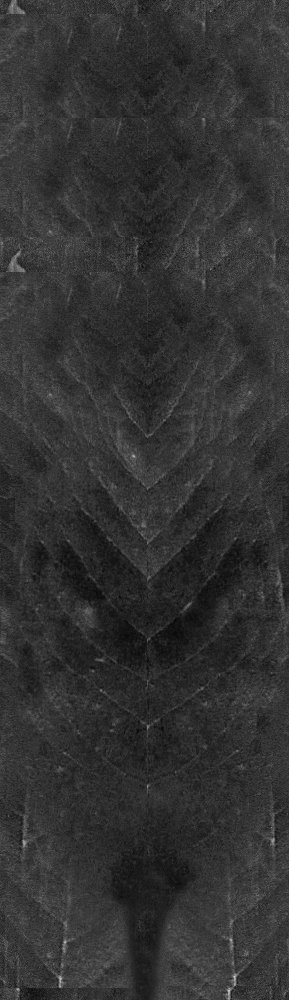
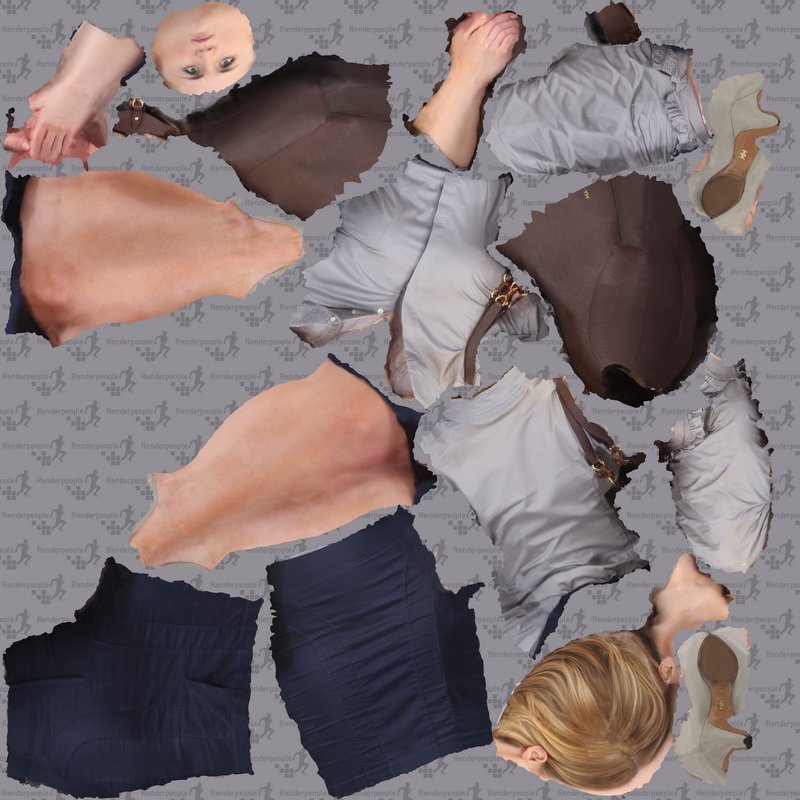
3D model textures are image files applied to the surface of a 3D model to give it color, pattern, and surface characteristics like roughness, reflectivity, and transparency. Without textures, 3D models would appear flat, uninspired, and unrealistic. They are the skin, the fabric, the hair, and the very essence that defines an object’s appearance. For instance, the texture shown in ‘3d66Model-866675-files-38’ provides intricate details for human skin, clothing, and hair, crucial for creating lifelike human figures in your 3D scenes.
The importance of high-quality textures cannot be overstated. They:
- Enhance Realism: Textures add depth, detail, and visual interest, making models appear more lifelike and tangible.
- Convey Information: They communicate material properties, age, wear, and other visual cues that tell a story about the object.
- Improve Aesthetics: Well-designed textures elevate the overall visual appeal of your 3D renders, making them more engaging and professional.
- Save Time: Using pre-made, high-quality textures from Posterfree.net allows artists to focus on modeling and animation rather than creating every surface detail from scratch.
Analyzing ‘3d66Model-866675-files-38’: A Closer Look
The ‘3d66Model-866675-files-38’ resource is a prime example of a comprehensive texture sheet designed for a human 3D model. Upon closer inspection, we can identify several key components:
Format and Resolution
While the exact file format isn’t specified in the image, such texture sheets are typically provided in high-resolution image formats like JPG, PNG, or TIFF. This ensures that when applied to a 3D model, the textures maintain crispness and detail even when viewed up close or rendered at high resolutions. The resolution appears to be substantial, allowing for intricate details in skin tones, fabric folds, and hair strands.
Detailed Components for a Full Character
The texture sheet is meticulously organized, featuring various parts of a human figure and their attire. We can clearly distinguish:
- Skin Textures: Including facial features, hands, and torso, exhibiting realistic skin tones and subtle variations.
- Clothing Textures: Various pieces of clothing, such as a blouse, skirt, and possibly a jacket or dress, show distinct fabric patterns and folds.
- Hair Texture: A section dedicated to hair, likely for a specific hairstyle, with individual strands visible.
- Footwear Texture: Elements for shoes or heels, indicating material and design.
This comprehensive breakdown means that a single texture map can be used to dress and detail an entire 3D character, streamlining the texturing process significantly.
Optimal Usage Instructions for Your 3D Projects
Utilizing ‘3d66Model-866675-files-38’ or similar 3D Model Textures from Posterfree.net in your projects is straightforward, yet requires a basic understanding of 3D software:
1. UV Unwrapping
Before applying textures, your 3D model must be UV unwrapped. This process flattens the 3D surface into a 2D representation, creating a map that tells the software how to project the 2D texture onto the 3D model. The layout of ‘3d66Model-866675-files-38’ is clearly designed to align with a pre-existing UV map for a human character.
2. Material Creation
In your 3D software (e.g., Blender, 3ds Max, Maya, Cinema 4D), you’ll create a new material for your model. This material will serve as a container for various texture maps.
3. Applying Texture Maps
The primary texture (like ‘3d66Model-866675-files-38’) will typically be connected to the Diffuse Color or Base Color input of your material. Depending on the complexity of your render, you might also use this texture as a base for other maps:
- Normal Maps: To simulate surface bumps and dents without adding extra geometry.
- Specular/Roughness Maps: To control how light reflects off the surface.
- Displacement Maps: For actual geometric deformation, adding true depth.
4. Adjusting and Refining
Once applied, you may need to adjust the texture’s scale, rotation, and position within your 3D software to ensure it aligns perfectly with your model’s UVs. Experiment with lighting and rendering settings to achieve the desired look and feel.
Why Choose Posterfree.net for Your 3D Model Textures?
Posterfree.net is renowned for providing a premium selection of graphic resources that cater to professionals and enthusiasts alike. When you choose our platform for your 3D Model Textures, you benefit from:
- High-Quality Assets: Every resource is curated for its exceptional quality, ensuring your projects always look their best.
- Diverse Collection: From character textures to environmental elements, our library is constantly growing to meet diverse creative needs.
- Ease of Use: Our resources are designed to be user-friendly, allowing for seamless integration into your existing workflows.
- Reliable Support: We are committed to providing excellent support to help you make the most of our assets.
Elevate your 3D renders with the unparalleled detail and realism that only premium 3D Model Textures from Posterfree.net can provide. Explore our collection today and transform your creative vision into stunning reality.
Frequently Asked Questions about 3D Model Textures
Hình ảnh demo liên quan

Câu hỏi thường gặp
What is a 3D model texture?
A 3D model texture is a 2D image file applied to the surface of a 3D model to give it color, pattern, and surface properties like roughness or reflectivity, making it appear more realistic.
How do I apply textures to a 3D model?
First, your 3D model needs to be UV unwrapped. Then, in your 3D software, create a material and connect the texture image to the appropriate input (e.g., Base Color or Diffuse) of that material.
What resolution should 3D model textures be?
The ideal resolution depends on the intended use and proximity to the camera. Generally, higher resolutions (e.g., 2K, 4K, or 8K) are preferred for detailed models or close-up shots to maintain crispness.
Can I modify these 3D model textures?
Yes, you can typically modify textures using image editing software like Photoshop to adjust colors, add details, or combine them with other textures to suit your specific project needs.
Are these textures compatible with all 3D software?
Our textures are standard image files (JPG, PNG, etc.) and are compatible with virtually all major 3D software packages that support UV mapping and material creation, such as Blender, 3ds Max, Maya, and Cinema 4D.